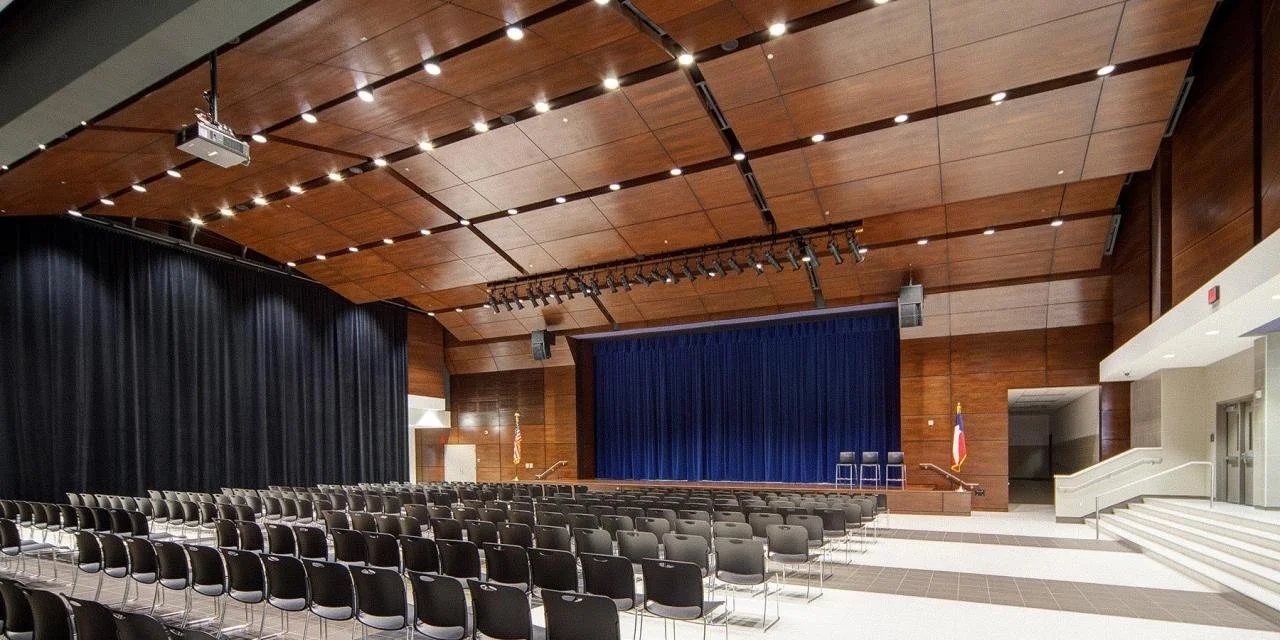
How to Get the Most Out of THE Sound System Your School Already Has
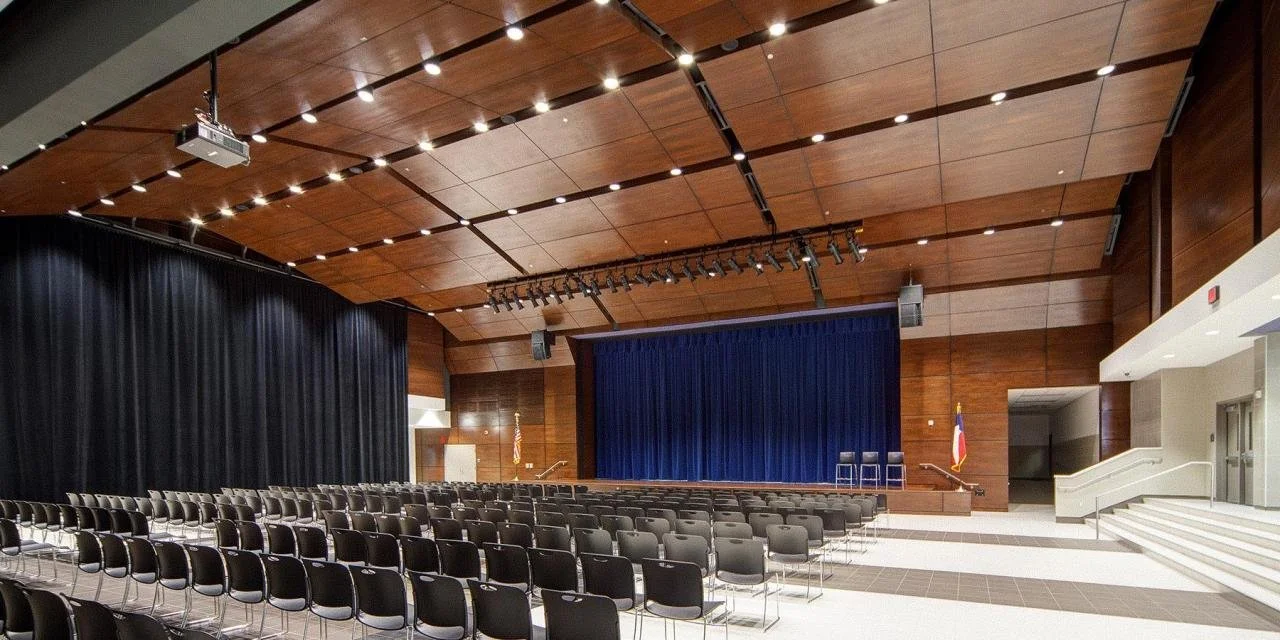
Let's be honest about something. Most school sound systems are not exactly cutting edge. Some of them have been in that auditorium longer than half the faculty. Some of them came with a manual that nobody has seen since the previous tech director left in 2009.
That's okay. A modest system that is genuinely understood and well-operated will beat an expensive system that nobody knows how to use every single time. Here's how to get real performance out of whatever you're working with.
Start By Actually Knowing What You Have
Walk into your equipment room or booth and write down every piece of gear. The mixer, the amplifiers, the speakers, any processing units. Find the model numbers and download the manuals. They are almost always free online. This sounds boring and it is, but it's also the foundation of everything else. Most school systems have useful features that have never been turned on because nobody knew they existed.
Fix Your Gain First
Gain is the input level on each channel before any other processing happens. It is also the most commonly ignored setting and the cause of more audio problems than almost anything else. Too low and you crank up the volume to compensate and bring up noise with it. Too high and you get distortion. The goal is to set your gain so the loudest peaks come in just below the point where your meters clip into the red, with enough room left over that a sudden loud moment doesn't push you over. Do this for every channel, every show, before anything else.
Use EQ to Solve Problems, Not to Feel Creative
The equalizer on your mixer is a diagnostic tool. The goal is transparent, clear, natural sound for your specific room, not interesting sound. In most school auditoriums, applying a high-pass filter to roll off frequencies below 100 to 200Hz on vocal mics will immediately clean up that muddy, boxy quality that makes audiences feel like they're listening through a wall. A slight boost in the 2kHz to 5kHz range helps vocal presence and clarity considerably. That's where intelligibility lives. Make small adjustments, listen carefully, and resist the temptation to go wild with it.
Your Speaker Placement Matters More Than Your Equipment
If your speakers can be moved or angled, their positioning has more impact on what the audience actually hears than almost any other variable. They should be aimed at the audience. Not at the back wall, not at the ceiling, at the people sitting in the seats. Monitors facing the stage should be angled carefully so they are not pointing directly at microphones. That is a feedback situation waiting to introduce itself at the worst possible time.
Write Down Your Settings
This one is so simple and so often skipped. Take a photo of your mixer at the beginning of a show that sounds good. Write down where every fader lives. Document your EQ settings. Create a starting point that you can always return to when someone has been messing with the board, which someone always has been. This single habit will save more troubleshooting time than any piece of gear you could buy.
Loud Is Not the Same as Good
When sound isn't working, the instinct is always to turn it up. Please resist this instinct. Louder does not mean clearer. In almost every case where intelligibility is suffering, the fix is EQ, mic placement, or speaker positioning, not volume. Turning up bad sound just gives you louder bad sound, and now your ears hurt too.
The best sounding systems in the world are run by people who genuinely know them. There is no reason your school can't have that, regardless of what the equipment budget has looked like the last several years.